Price range: 34.00 $ through 39.00 $ Tax

The Wise Trickster of the Sacred Forests

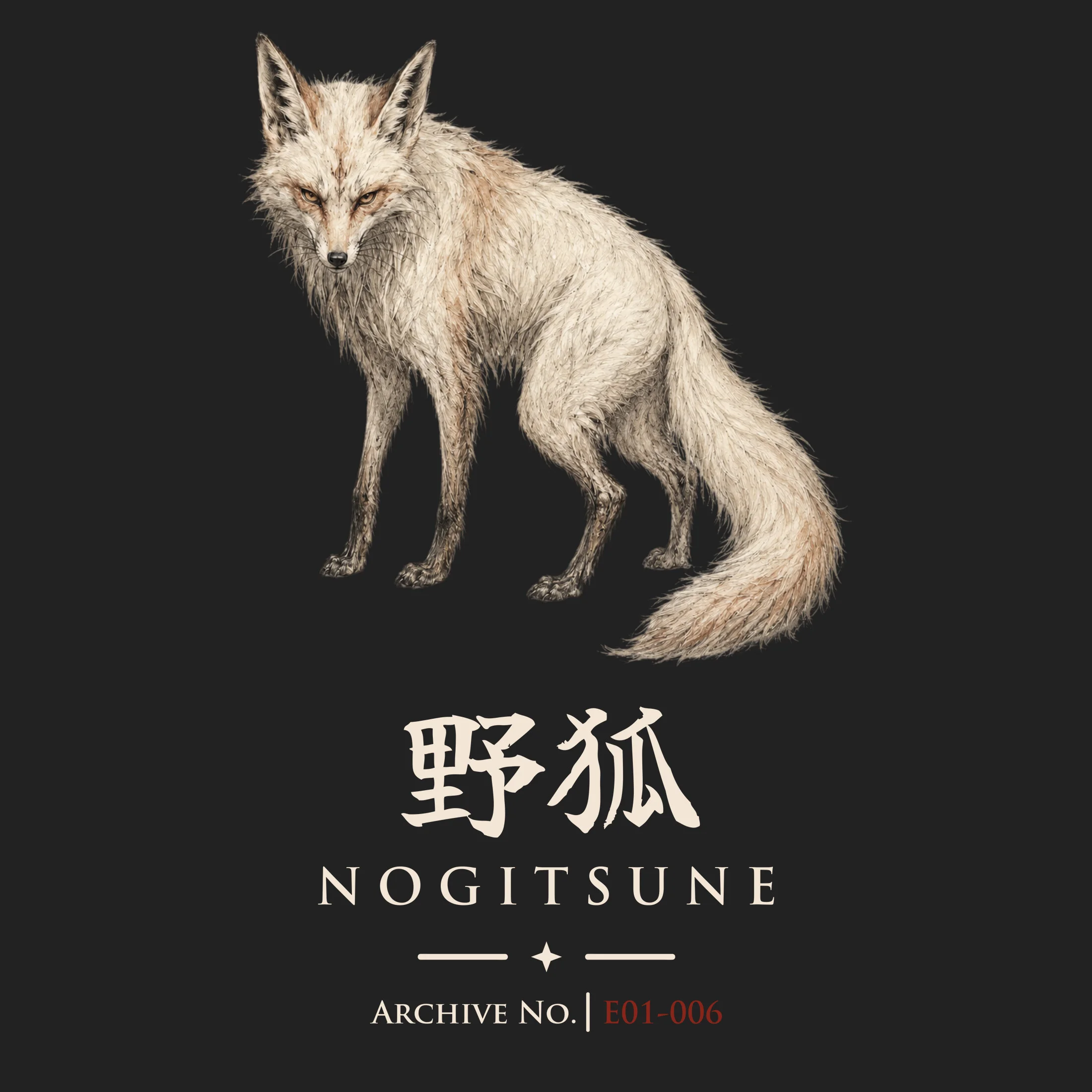
Japanese Name 狐
Romanization Kitsune
Classification Shapeshifting Animal Spirit
Expedition Expedition I — Sacred Forests
Threat Level ■■□□□ (Level II – Caution)
First Recorded 8th Century CE
The Kitsune is among Japan’s oldest and most enduring supernatural fox traditions. Both guardian and trickster, it has appeared in Japanese stories for more than a thousand years, serving as a sacred messenger in some religious contexts while elsewhere deceiving, possessing or interacting with humans through transformation and illusion.

Price range: 34.00 $ through 39.00 $ Tax

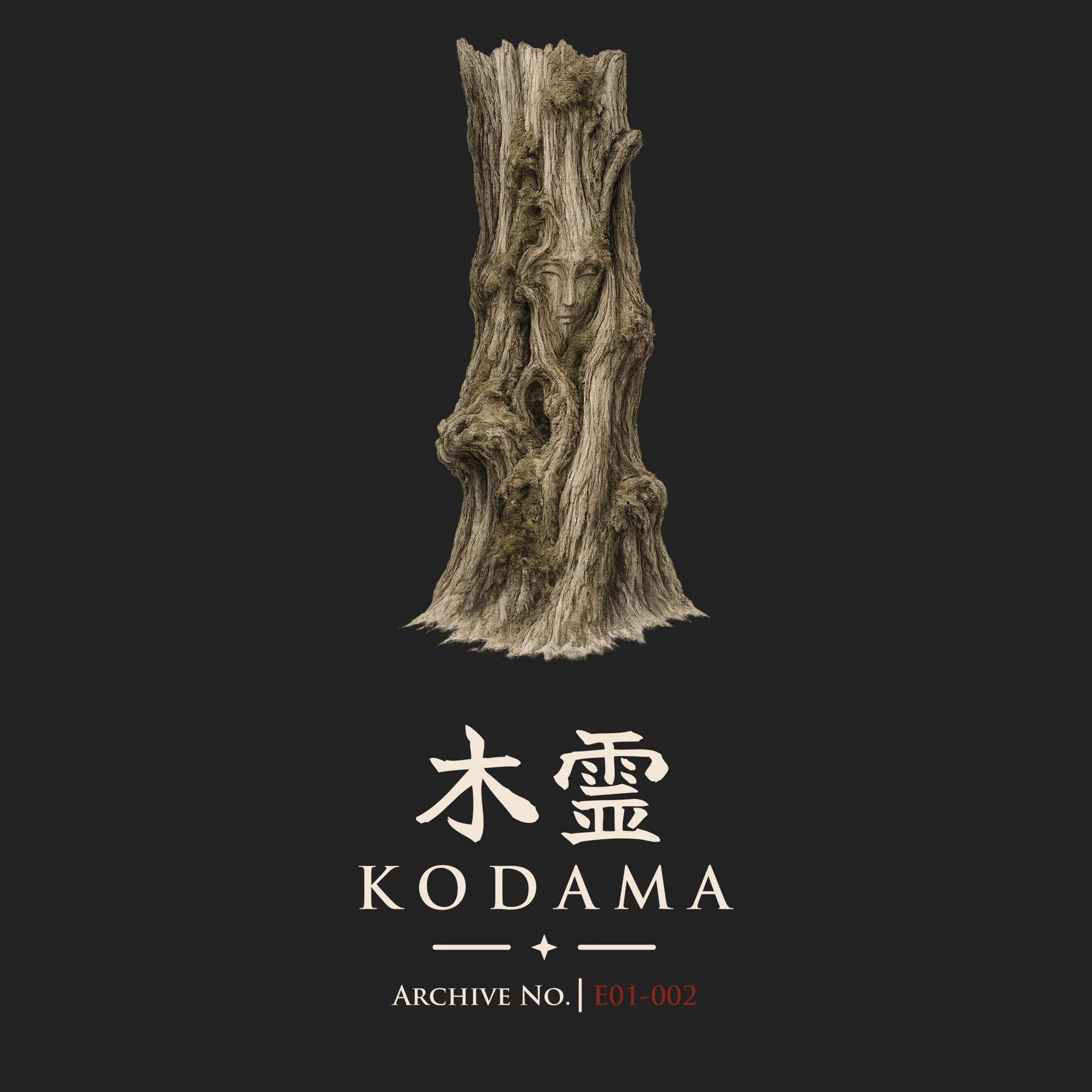
The Silent Guardian of Ancient Trees

Japanese Name 木霊
Romanization Kodama
Classification Tree Spirit
Expedition Expedition I — Sacred Forests
Threat Level ■□□□□ (Level I – Minimal)
First Recorded 927 CE — Engishiki

Kodama are spirits associated with trees, particularly old or significant trees. Japanese tradition remembers them as presences inhabiting the wooded landscape, capable of inspiring reverence as well as fear. The word later also came to mean an echo, reflecting an older belief that voices returning from mountains and valleys could be the response of a spirit within the landscape.

Price range: 34.00 $ through 39.00 $ Tax

The Shape-Shifter Beside the Road

Japanese Name 化け狸
Romanization Bake-danuki
Classification Shapeshifting Animal Spirit
Expedition Expedition I — Sacred Forests
Threat Level ■■□□□ (Level II – Caution)
First Recorded Early 17th Century CE

Bake-danuki are supernatural tanuki associated with disguise, transformation, mischief and comic deception. Unlike the more ethereal fox traditions, tanuki stories often feel earthy and theatrical, with the animal fooling travellers, disguising itself as people or objects, and turning ordinary situations into elaborate supernatural performances.
Price range: 34.00 $ through 39.00 $ Tax

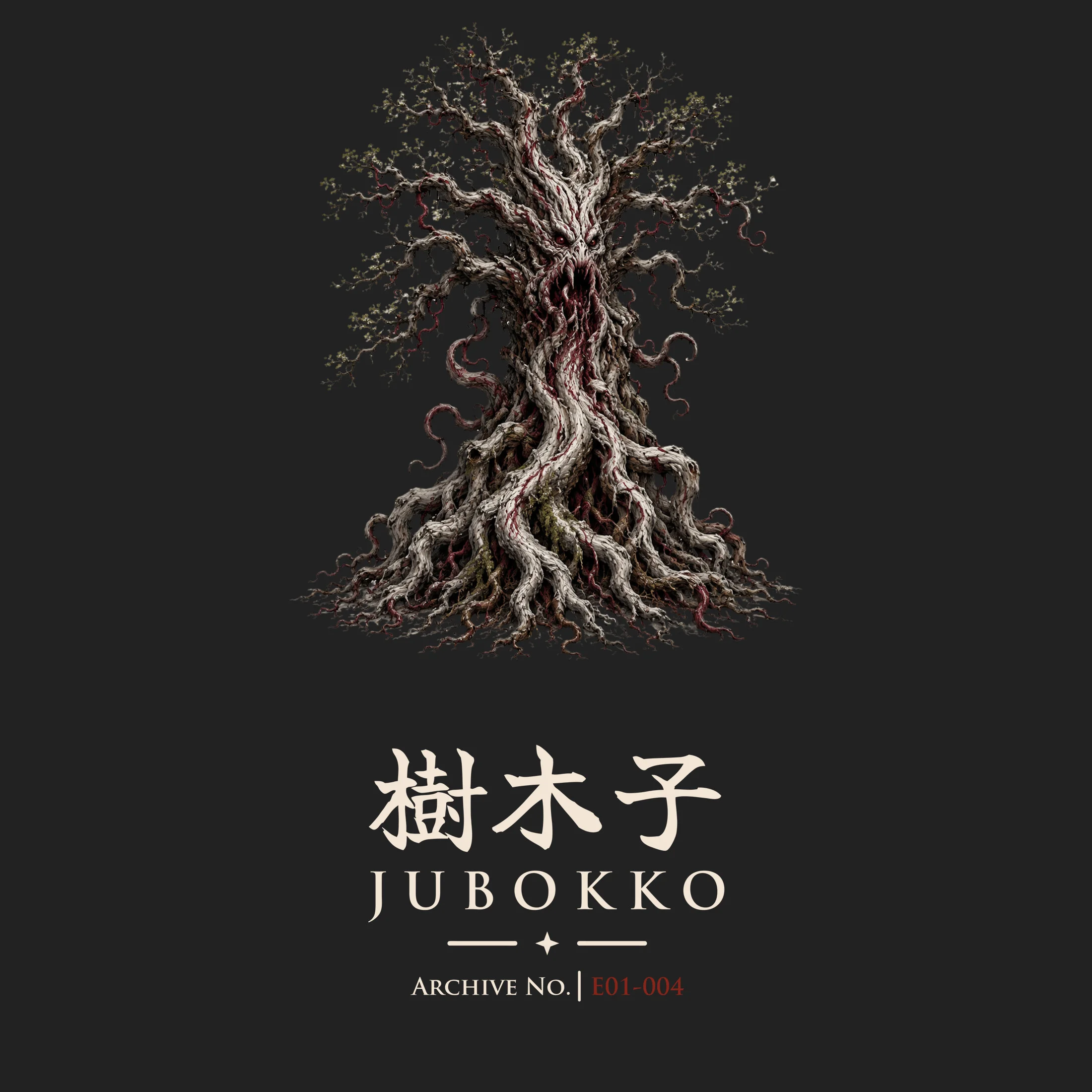
The Blood-Drinking Tree of the Battlefield

Japanese Name 樹木子
Romanization Jubokko
Classification Blood-Feeding Tree
Expedition Expedition I — Sacred Forests
Threat Level ■■■■□ (Level IV – Severe)
First Recorded 1966 CE
Jubokko is a modern yōkai described as a tree transformed by death and bloodshed. In its best-known form, it grows on former battlefields, absorbs the blood of the dead through its roots, and later attacks living people who pass beneath its branches. Despite often being presented today as an ancient Japanese monster, no secure pre-twentieth-century source for this familiar form has been identified.

Price range: 34.00 $ through 44.00 $ Tax

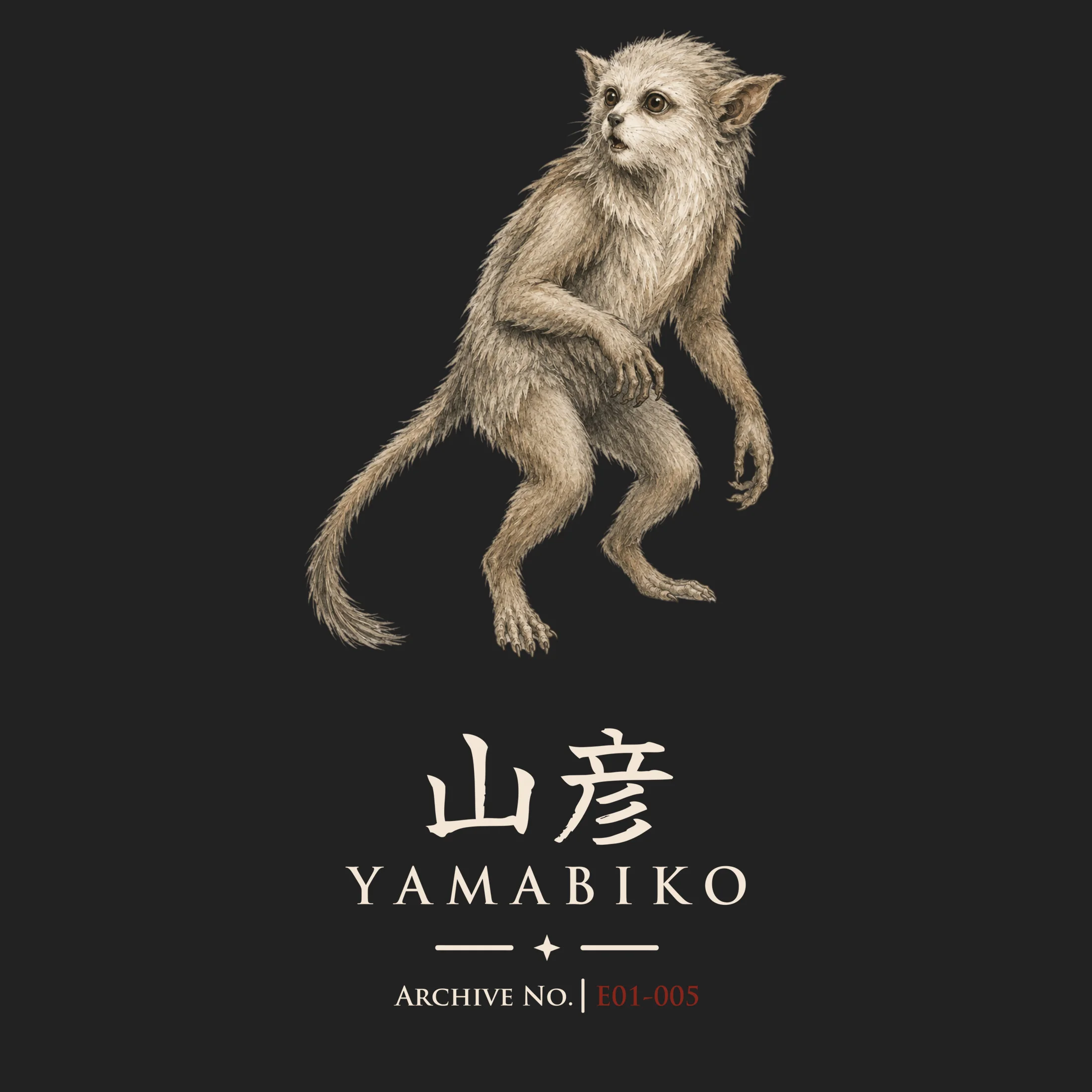
The Voice That Returns from the Mountain

Japanese Name 山彦
Romanization Yamabiko
Classification Mountain Echo Spirit
Expedition Expedition I — Sacred Forests
Threat Level ■□□□□ (Level I – Minimal)
First Recorded 1776 CE — Gazu Hyakki Yagyō
Yamabiko is the supernatural presence traditionally associated with echoes returning from mountains and deep valleys. Rather than being defined by one fixed body, it is most strongly identified by sound: a human voice, shout, or sudden noise repeated back from somewhere unseen. Toriyama Sekien gave Yamabiko a recognizable illustrated form in 1776, but later regional traditions continued to describe it primarily as a mysterious answering voice within the mountains.

44.00 $ Tax

The Red-Haired Spirit of the Banyan

Japanese Name キジムナー
Romanization Kijimuna
Classification Shapeshifting Animal Spirit
Expedition Expedition I — Sacred Forests
Threat Level ■■□□□ (Level II – Caution)
First Recorded Traditional Okinawan Folklore
Kijimuna are spirits from Okinawan folklore, especially associated with large gajumaru, or banyan trees. Traditions describe them as small, red-haired beings that may form friendships with humans, help with fishing, and share food or drink. Their relationships are often reciprocal rather than purely hostile, but offending one can bring trouble. The Kijimuna is therefore less a simple forest monster than a supernatural neighbour whose goodwill depends on how humans behave toward it.

44.00 $ Tax

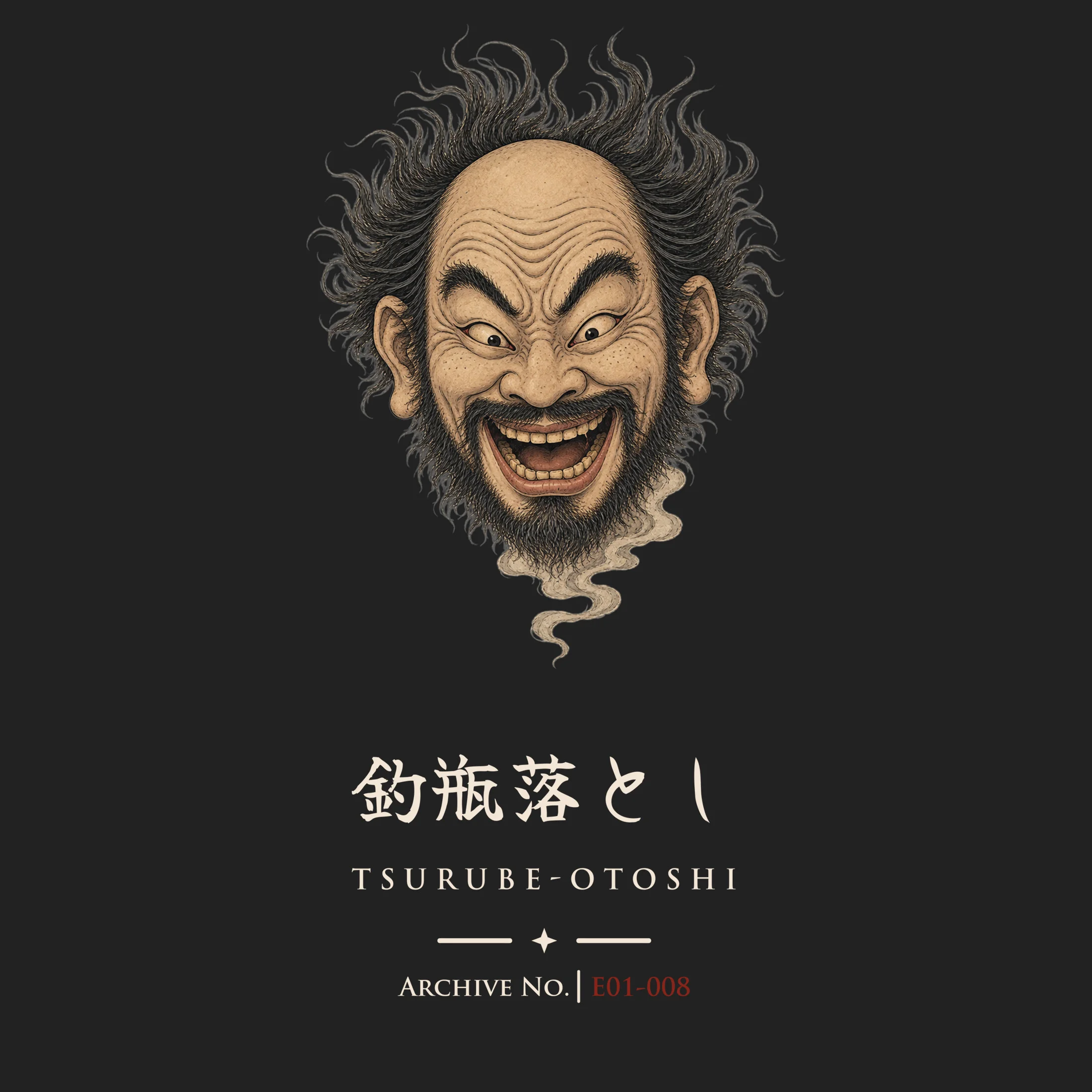
The Thing That Drops from the Trees

Japanese Name 釣瓶落とし
Romanization Tsurube-otoshi
Classification Tree Spirit
Expedition Expedition I — Sacred Forests
Threat Level ■■■□□ (Level III – Dangerous)
First Recorded Early 20th Century Folklore Records
Tsurube-otoshi is a regional Japanese apparition associated with large trees and sudden danger from above. Modern depictions often show an enormous human head dropping from the canopy, but recorded traditions are far less consistent. In some places, a bucket descends from a tree; elsewhere an unseen being calls out, seizes travellers, or drops suddenly from the branches. The name and downward movement are more stable than any single physical form.

44.00 $ Tax

The Thing That Drops from the Trees

Japanese Name 釣瓶落とし
Romanization Tsurube-otoshi
Classification Ambush Spirit
Expedition Expedition I — Sacred Forests
Threat Level ■■■□□ (Level III – Dangerous)
First Recorded Regional Oral Tradition
Tsurube-otoshi is a regional Japanese apparition associated with large trees and sudden danger from above. It is often depicted today as an enormous human head dropping from the canopy, but recorded traditions describe several different forms, including falling buckets, unseen voices, tree-dwelling beings, and creatures that seize travellers from overhead. More than any single appearance, Tsurube-otoshi is defined by one unsettling idea: something hidden above the road suddenly descends.

44.00 $ Tax

The Woman in the Falling Snow

Japanese Name 雪女
Romanization Yuki-onna
Classification Snow Spirit
Expedition Expedition IV — Winter Apparitions
Threat Level ■■■□□ (Level III – Dangerous)
First Recorded Late Muromachi–Early Edo Period — Fushimi Tokiwa
Yuki-onna is a female supernatural presence associated with snow, winter nights, and the dangers of severe cold. Japanese traditions describe her in widely different ways: as a beautiful white-clad woman, a terrifying apparition, an old woman, a visitor who asks for shelter, or even a being connected with children and seasonal ritual. The familiar image of an elegant woman whose breath freezes travellers represents only one branch of a much broader tradition. What remains most consistent is her whiteness and her connection with a landscape transformed by snow.  

44.00 $ Tax

The Corpse-Thief of the Funeral Road

Japanese Name 火車
Romanization Kasha
Classification Corpse-Stealing Spirit
Expedition Expedition X — Spirits of Death
Threat Level ■■■■□ (Level IV – Severe)
First Recorded Kii Zōdan-shū — 17th Century CE
Kasha is a funerary apparition associated with the removal or seizure of the dead. Its name originally referred to the Buddhist image of a fiery cart carrying sinners toward hell, but later folklore transformed the idea into something that could descend during funerals, seize coffins, or steal corpses. In some regional traditions Kasha became strongly associated with monstrous or supernatural cats, though the feline form was not the beginning of the tradition.

44.00 $ Tax

The Mother Who Could Not Let Go

Japanese Name 産女
Romanization Ubume
Classification Maternal Ghost
Expedition Expedition X — Spirits of Death
Threat Level ■■□□□ (Level II – Caution)
First Recorded Konjaku Monogatari-shū — c. 1120 CE
Ubume is a Japanese ghost tradition associated with women who died while pregnant or during childbirth. Stories frequently describe a woman appearing at night with an infant and asking a traveller to hold the child. Once accepted, the woman may disappear and the burden may become impossibly heavy or transform into a stone. Early-modern scholars later connected this maternal ghost with the Chinese bird-being 姑獲鳥, producing a second, birdlike Ubume tradition that should not be confused with the older Japanese ghost motif.

44.00 $ Tax

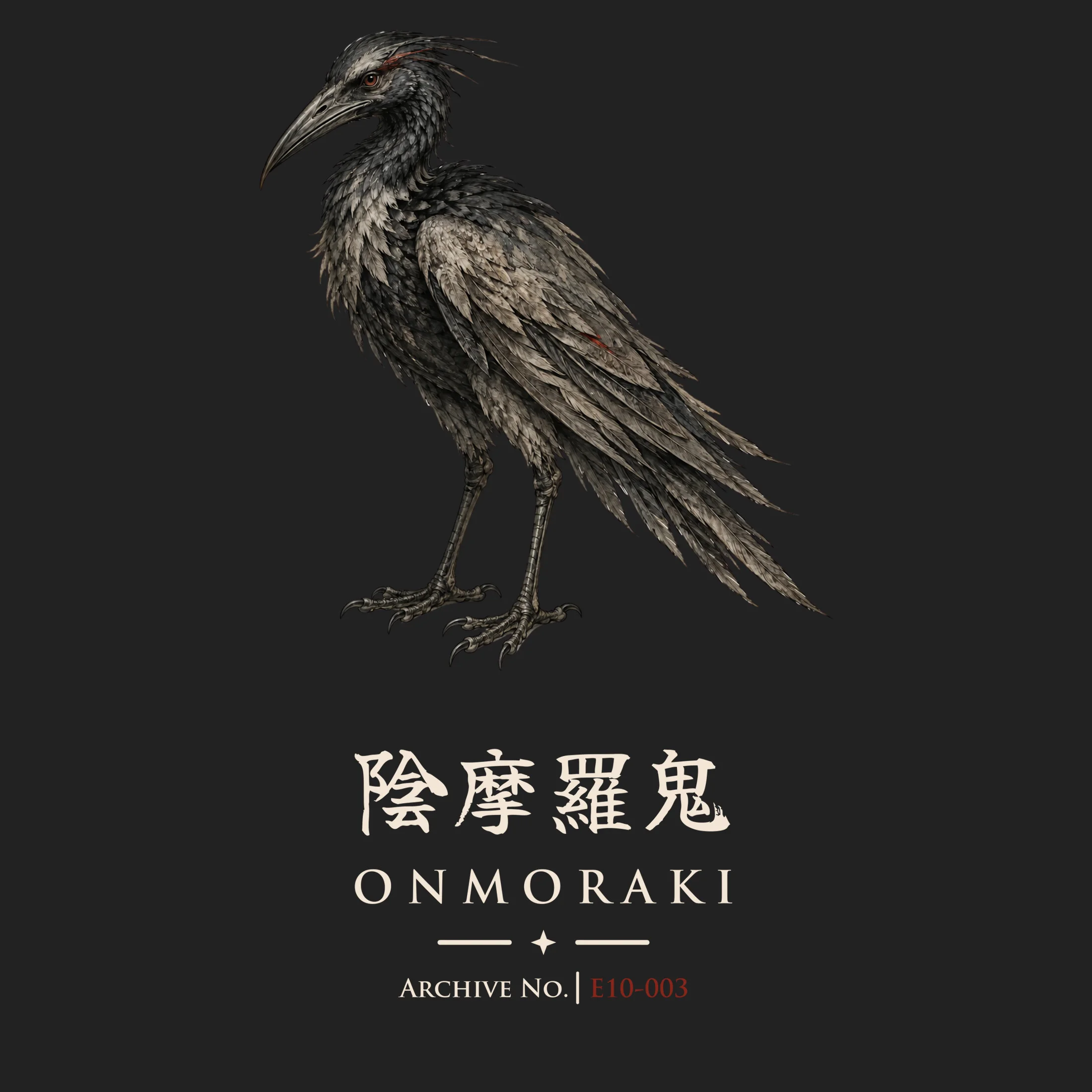
The Bird That Rises from the Unburied Dead

Japanese Name 陰摩羅鬼
Romanization Onmoraki
Classification Corpse-Born Spirit
Expedition Expedition X — Spirits of Death
Threat Level ■■■□□ (Level III – Dangerous)
First Recorded Taihe Hyakumonogatari — 1732 CE
Onmoraki is a dark birdlike apparition associated with recently dead bodies. In the tradition later illustrated by Toriyama Sekien, it resembles a black crane or heron with bright, lamp-like eyes and a harsh cry. The creature was said to arise from the lingering energy of a fresh corpse, especially one temporarily left within a temple or not yet properly dealt with. Its Japanese history is therefore part of a wider transmission of Chinese supernatural literature into Edo-period yōkai culture.

44.00 $ Tax

The Dead Who Would Not Be Ignored

Japanese Name 御霊
Romanization Goryō
Classification Vengeful Spirit
Expedition Expedition X — Spirits of Death
Threat Level ■■■■□ (Level IV – Severe)
First Recorded Heian Period — 9th Century CE
Goryō are feared spiritual beings historically associated with epidemic, calamity, and social disturbance. The category included the spirits of people who had lost power or status as well as certain epidemic-associated kami. From the medieval period onward, the term increasingly came to refer to angry spirits of the dead. Rather than simply destroying them, communities could attempt to appease, send away, or permanently enshrine these spirits, transforming dangerous spiritual power into protection.

44.00 $ Tax

The Spirit That Remains After Death

Japanese Name 死霊
Romanization Shiryō
Classification Restless Spirit
Expedition Expedition X — Spirits of Death
Threat Level ■■■□□ (Level III – Variable)
First Recorded Early 9th Century CE — Nihon Ryōiki
Shiryō is a broad Japanese term for the spirit of a dead person, traditionally contrasted with ikiryō, a spirit separated from someone still alive. A Shiryō may appear to relatives, linger near the place of death, possess the living, or become dangerous through resentment, but hostility is not essential to the category. More than a single supernatural creature, Shiryō describes the unsettling possibility that death has occurred while the presence of the deceased has not yet disappeared.

44.00 $ Tax

The Spirit That Leaves the Living Body

Japanese Name 生霊
Romanization Ikiryō
Classification Living Spirit
Expedition Expedition X — Spirits of Death
Threat Level ■■■□□ (Level III – Dangerous)
First Recorded Genji Monogatari — c. 1001–1014 CE
Ikiryō is the spirit of a person who is still alive, believed capable of separating from the body and affecting others at a distance. Classical traditions often connect it with intense resentment, jealousy, or emotional fixation. The most famous example appears in The Tale of Genji, where the living Lady Rokujō becomes associated with a possessing spirit that torments Aoi no Ue. Unlike a Shiryō, the source of the haunting has not died.

44.00 $ Tax

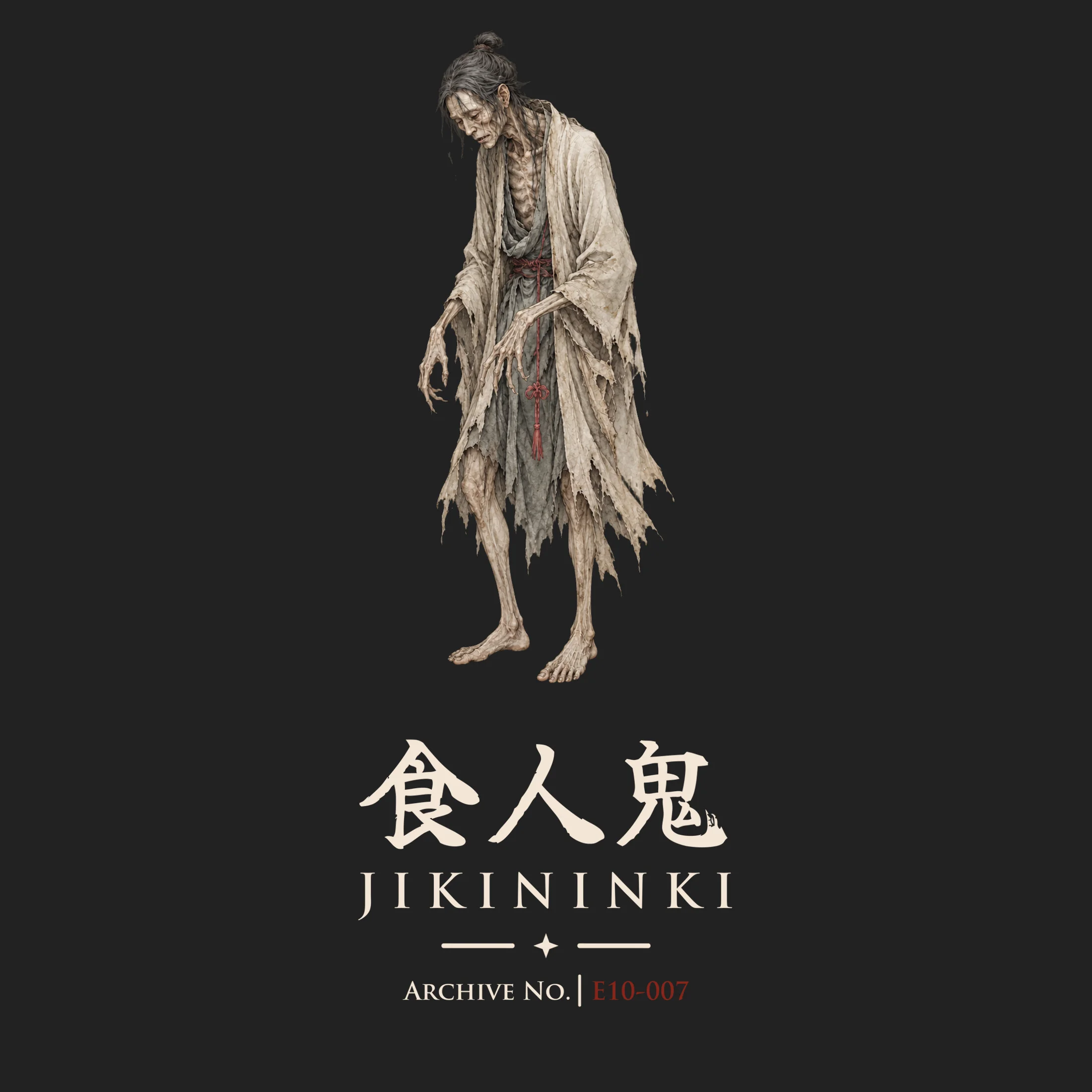
The Corpse-Eater Condemned by Hunger

Japanese Name 食人鬼
Romanization Jikininki
Classification Corpse-Eating Spirit
Expedition Expedition X — Spirits of Death
Threat Level ■■■■□ (Level IV – Severe)
First Recorded Kwaidan — 1904 CE
Jikininki is a corpse-eating supernatural being best known from Lafcadio Hearn’s 1904 Kwaidan. In Hearn’s story, a former Buddhist priest is condemned after death to consume the bodies of people who die nearby because he once performed funerary rites only for personal gain. The creature is horrifying, but the story is ultimately one of punishment, shame, and possible release. Older Japanese literature contains related corpse-eating and hungry-spirit motifs, but the securely documented Jikininki under this name should not simply be projected backward as an ancient standardized entity.

44.00 $ Tax

The Presence That Calls Toward Death

Japanese Name 死神
Romanization Shinigami
Classification Death-Associated Spirit
Expedition Expedition X — Spirits of Death
Threat Level ■■■□□ (Level III – Dangerous)
First Recorded 1709 CE — Chikamatsu Monzaemon
Shinigami literally means “death god” or “death spirit,” but the historical tradition is much less fixed than the modern image suggests. The term appears clearly in early eighteenth-century popular drama, where a Shinigami is described as a force that draws a person toward death or makes death feel inevitable. It was not originally a single robed reaper with a standard appearance, nor was it an ancient god with a unified cult. Over time, theatre, ghost stories, rakugo, and modern popular culture gradually turned the word into a broader personification of death itself.

44.00 $ Tax

The Dead Who Return

Japanese Name 幽霊
Romanization Yūrei
Classification Ghost of the Dead
Expedition Expedition X — Spirits of Death
Threat Level ■■■□□ (Level III – Variable)
First Recorded 1089 CE — Chūyūki
Yūrei is one of the broadest Japanese terms for the ghost or spirit of a dead person. Historical usage can refer simply to the soul of the deceased, but later tradition increasingly emphasizes spirits that appear because resentment, attachment, grief, or unfinished business prevents them from leaving the human world. Unlike a fixed monster type, Yūrei can describe many different returning dead. The familiar pale figure in white robes with long black hair is a powerful later visual convention, but it is not the only form preserved in Japanese tradition.

44.00 $ Tax

The Four-Eyed Exorcist Who Drove Out the Dead

Japanese Name 方相氏
Romanization Hōsōshi
Classification Ritual Exorcistic Figure
Expedition Expedition X — Spirits of Death
Threat Level ■□□□□ (Level I – Protective)
First Recorded 706 CE — Shoku Nihongi
Hōsōshi was not originally a monster or wandering spirit, but a ritual figure whose role was to drive away demons, pestilence, and dangerous unseen influences. The practice reached Japan from China and became part of the imperial court ceremony known as tsuina, performed around the end of the year. Japanese records show the rite being conducted by 706 CE. In its earlier form, the Hōsōshi represented the force pursuing the demons rather than the demon itself. Over time, however, the appearance and role changed so dramatically that the figure eventually became one of the things symbolically driven away.