Price range: 34.00 $ through 39.00 $ Tax

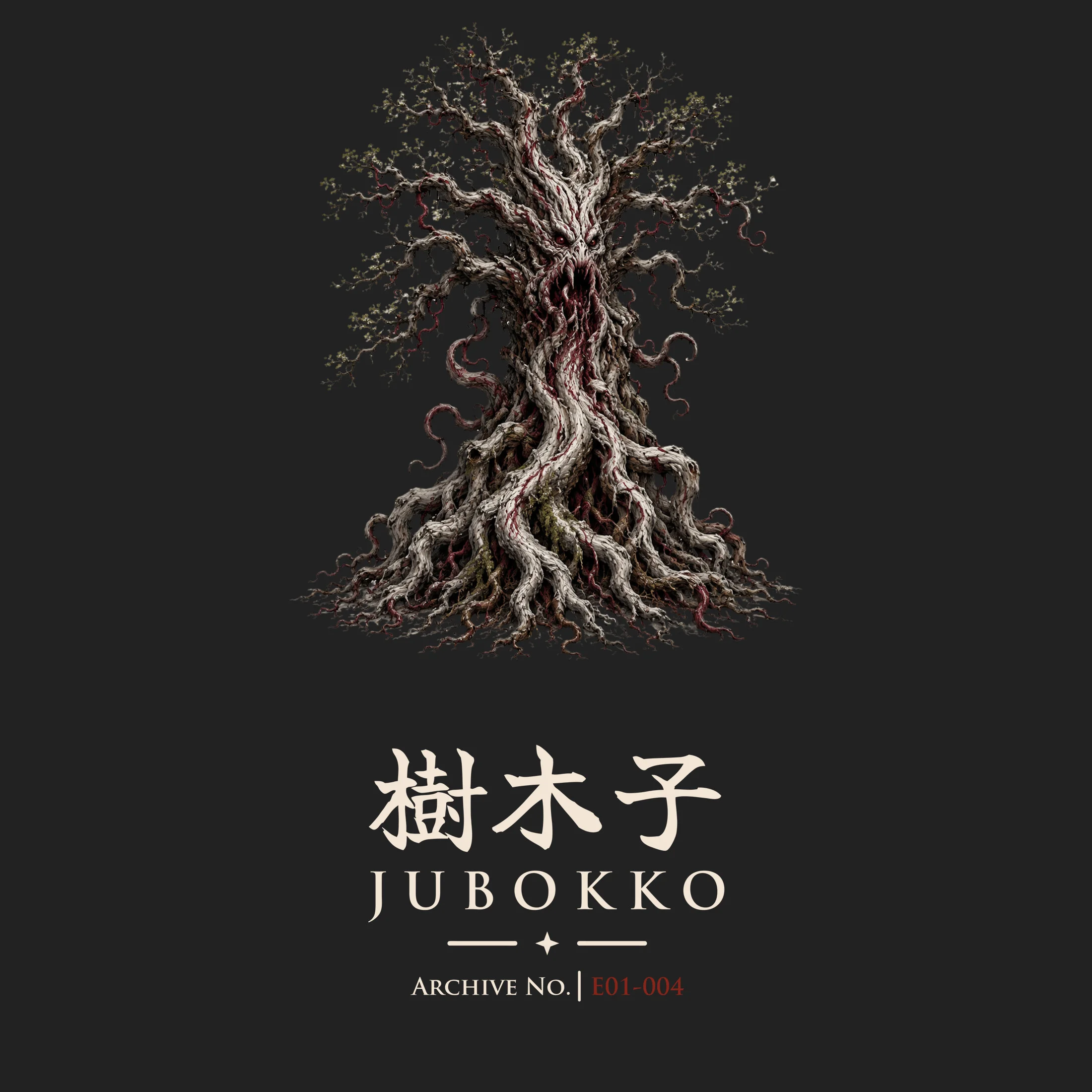
The Blood-Drinking Tree of the Battlefield

Japanese Name 樹木子
Romanization Jubokko
Classification Blood-Feeding Tree
Expedition Expedition I — Sacred Forests
Threat Level ■■■■□ (Level IV – Severe)
First Recorded 1966 CE
Jubokko is a modern yōkai described as a tree transformed by death and bloodshed. In its best-known form, it grows on former battlefields, absorbs the blood of the dead through its roots, and later attacks living people who pass beneath its branches. Despite often being presented today as an ancient Japanese monster, no secure pre-twentieth-century source for this familiar form has been identified.

44.00 $ Tax

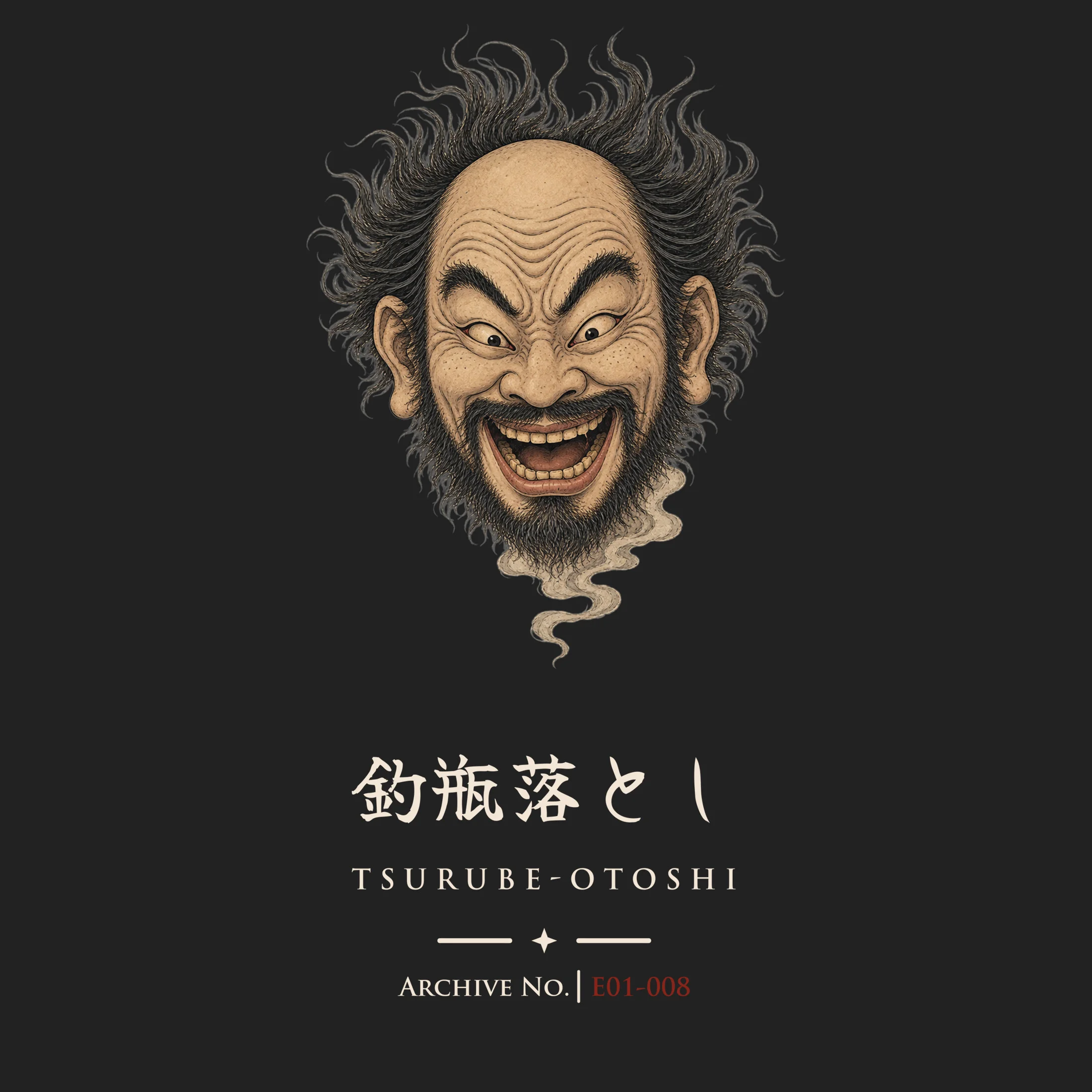
The Thing That Drops from the Trees

Japanese Name 釣瓶落とし
Romanization Tsurube-otoshi
Classification Ambush Spirit
Expedition Expedition I — Sacred Forests
Threat Level ■■■□□ (Level III – Dangerous)
First Recorded Regional Oral Tradition
Tsurube-otoshi is a regional Japanese apparition associated with large trees and sudden danger from above. It is often depicted today as an enormous human head dropping from the canopy, but recorded traditions describe several different forms, including falling buckets, unseen voices, tree-dwelling beings, and creatures that seize travellers from overhead. More than any single appearance, Tsurube-otoshi is defined by one unsettling idea: something hidden above the road suddenly descends.

44.00 $ Tax

The Woman in the Falling Snow

Japanese Name 雪女
Romanization Yuki-onna
Classification Snow Spirit
Expedition Expedition IV — Winter Apparitions
Threat Level ■■■□□ (Level III – Dangerous)
First Recorded Late Muromachi–Early Edo Period — Fushimi Tokiwa
Yuki-onna is a female supernatural presence associated with snow, winter nights, and the dangers of severe cold. Japanese traditions describe her in widely different ways: as a beautiful white-clad woman, a terrifying apparition, an old woman, a visitor who asks for shelter, or even a being connected with children and seasonal ritual. The familiar image of an elegant woman whose breath freezes travellers represents only one branch of a much broader tradition. What remains most consistent is her whiteness and her connection with a landscape transformed by snow.  

44.00 $ Tax

The Corpse-Thief of the Funeral Road

Japanese Name 火車
Romanization Kasha
Classification Corpse-Stealing Spirit
Expedition Expedition X — Spirits of Death
Threat Level ■■■■□ (Level IV – Severe)
First Recorded Kii Zōdan-shū — 17th Century CE
Kasha is a funerary apparition associated with the removal or seizure of the dead. Its name originally referred to the Buddhist image of a fiery cart carrying sinners toward hell, but later folklore transformed the idea into something that could descend during funerals, seize coffins, or steal corpses. In some regional traditions Kasha became strongly associated with monstrous or supernatural cats, though the feline form was not the beginning of the tradition.

44.00 $ Tax

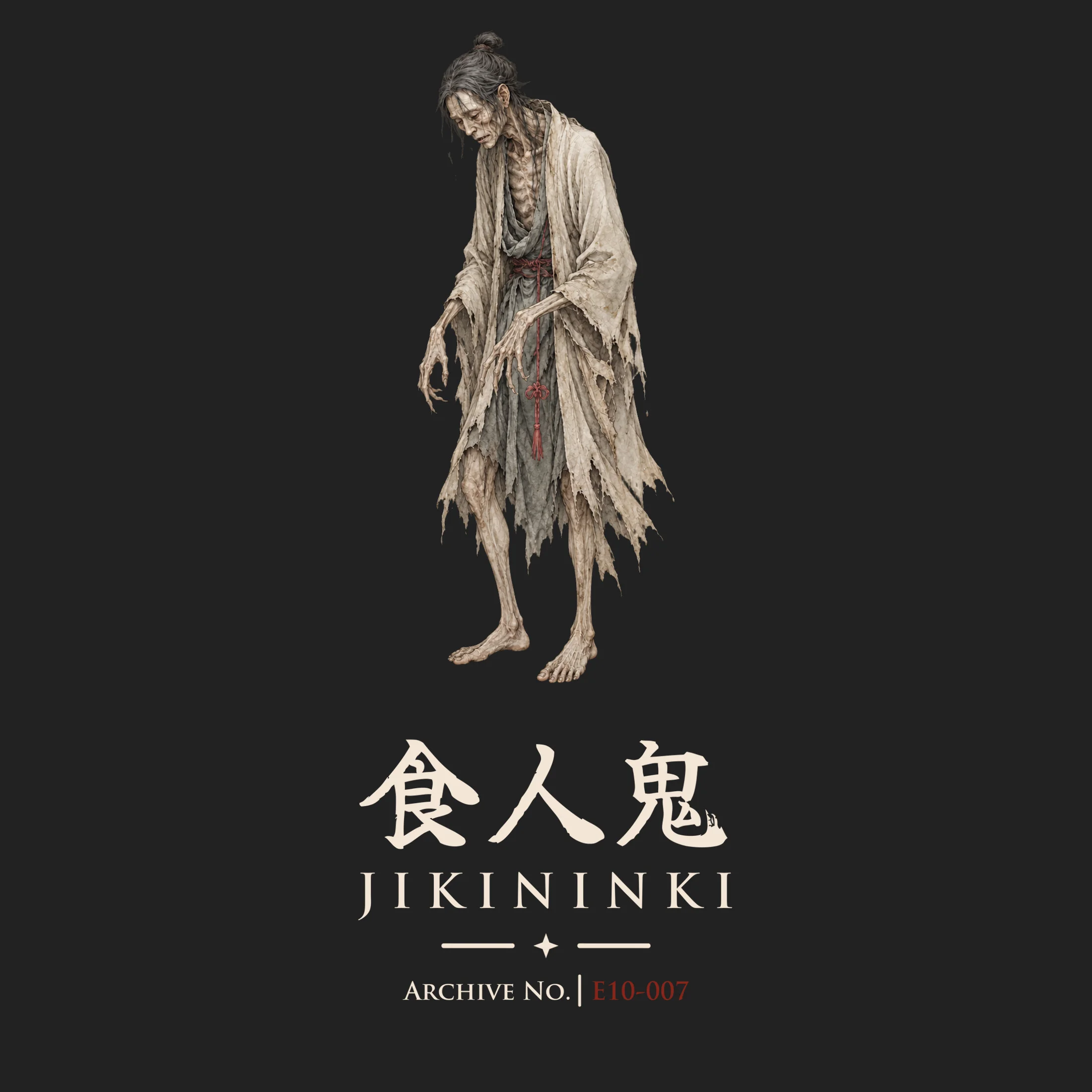
The Corpse-Eater Condemned by Hunger

Japanese Name 食人鬼
Romanization Jikininki
Classification Corpse-Eating Spirit
Expedition Expedition X — Spirits of Death
Threat Level ■■■■□ (Level IV – Severe)
First Recorded Kwaidan — 1904 CE
Jikininki is a corpse-eating supernatural being best known from Lafcadio Hearn’s 1904 Kwaidan. In Hearn’s story, a former Buddhist priest is condemned after death to consume the bodies of people who die nearby because he once performed funerary rites only for personal gain. The creature is horrifying, but the story is ultimately one of punishment, shame, and possible release. Older Japanese literature contains related corpse-eating and hungry-spirit motifs, but the securely documented Jikininki under this name should not simply be projected backward as an ancient standardized entity.